
Imposter syndrome is the persistent feeling that you don’t deserve your success and that every job you’ve landed was pure luck. And any moment now, someone will notice you “don’t really know what you’re doing.”
In creative work it usually sounds something like this:
I just know which buttons to press in After Effects. Real designers are somehow different.
Sound familiar? In 18 years of motion design I’ve heard this from beginners, from seasoned colleagues and, honestly, from myself. The good news: it isn’t a verdict. It’s a sign that you’re growing, and it’s something you can work with.
1. Where imposter syndrome comes from in motion design
Our field has almost no “official” entry point. Most of us learn from tutorials and personal projects, so an inner voice keeps asking: do I actually have the right to call myself a pro?
- Self-taught path: there’s no diploma or certificate to “confirm” your level, so your brain assumes there isn’t one.
- Feed comparison: on Behance or Instagram you see someone else’s final frame, not the 40 versions, revisions and sleepless nights behind it.
- AI tools: generative tools produce a flashy image in a minute, and it starts to feel like your hours of work are worth nothing.
- Working alone: freelancers rarely get feedback from peers, so there’s nobody around to challenge the doubts.
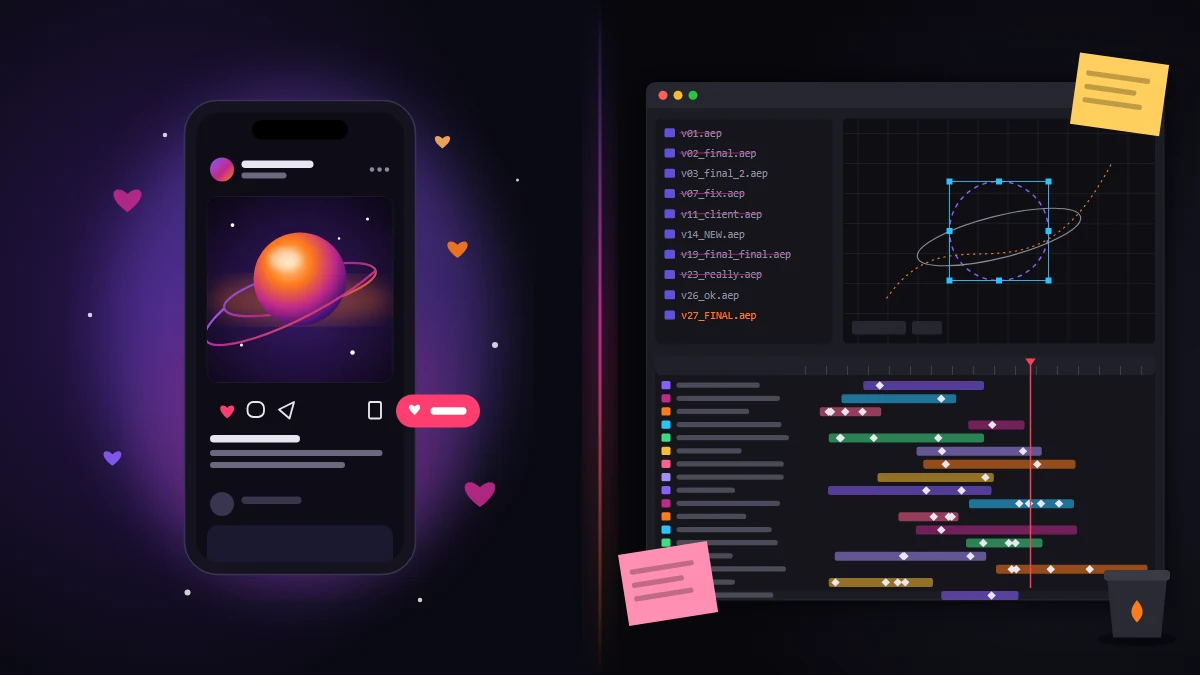
The feed shows the result, not the road to it
2. Even pros feel like imposters
The term itself dates back to the late 1970s, and researchers have kept finding the same thing ever since: doctors, pilots, scientists and art directors at big studios all feel it. Experience doesn’t switch that voice off, it just teaches you how to deal with it.
The more you know, the more you see what you still can’t do.
The paradox is that beginners often overrate themselves, while experienced designers do the opposite, because they spot every flaw in their own frame. So if you’re full of doubt, chances are your eye has already grown. Your hands are just catching up.
3. Finish small projects
What separates a pro from an amateur isn’t genius, it’s the habit of finishing the work. Every completed project is a fact that even your inner critic struggles to argue with.
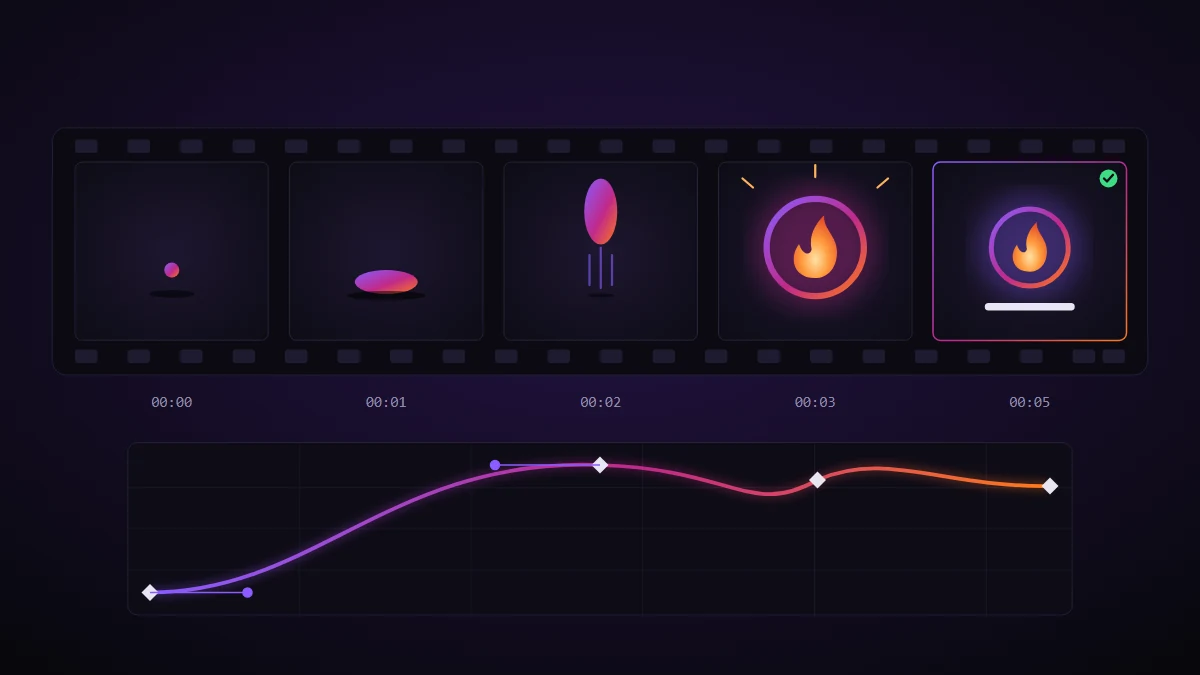
A one-evening exercise: 5 seconds animating your own name
A one-evening exercise
Animate your name or logo in 5 seconds. Don’t chase perfection: use at least two of the 12 principles of animation, render it and post it.
This is exactly how commercial work grows later: a logo animation for a brand is the same 5 seconds, just with a brief and a deadline.
4. Clients want reliability, not a masterpiece
This is the most important thing I’ve learned from years of client work. Clients rarely look for the most talented animator in the world. They look for someone who lets them sleep well while the project is in progress.
- Deadlines: deliver on time, or flag any delay early, not on the last day.
- Communication: send short progress updates so the client sees movement and doesn’t worry.
- Predictability: agree on style and storyboard before animating, so there are no surprises at delivery.
- Drama-free revisions: treat feedback as part of the process, not as a verdict on your worth.
Tip:
After every project, ask for a short review. A collection of real words from clients is the best argument against the “you’re a fraud” voice.
5. Invest in your skills every day
Doubt feeds on fog: when you don’t understand how someone’s work was made, it looks like magic. Once you break it into layers, the magic turns into a set of techniques you can learn.

The only fair comparison is with your past self
If you’re just starting out, begin with a solid foundation. I’ve laid it out in my guide on how to become a motion designer from scratch.
Doubt is part of the journey
Imposter syndrome doesn’t mean you’re in the wrong place. Most often it means you care about quality and already see more than you used to. Finish small projects, be reliable for clients and grow a little every day.
Every piece in my portfolio also started with the thought “can I actually pull this off?” I did. So will you.
Ready to bring your idea to life?
Tell me a bit about your task — I’ll come back with a format, rough timeline and a quote within one business day.
Get a quote